

Discover everything founders need to know about liquidation preference. Learn how it affects startup financing and how to navigate its complexities for a successful fundraising journey.
When you’re diving into the world of startup funding, you’ll encounter terms that can be confusing and overwhelming—liquidation preference is one of them. While it might sound technical, understanding this concept is crucial for any founder looking to raise capital and secure the best deal for their business. In this article, we’ll break down what liquidation preference means, why it matters, and what founders must know to ensure they don’t give away too much in exchange for funding.
What Is Liquidation Preference?
Liquidation preference refers to the order in which investors are paid back in the event of a company’s liquidation, such as during a sale or bankruptcy. It’s a key clause in investment agreements, especially for venture capital (VC) and private equity (PE) investments, and it can significantly affect the amount of money a founder receives compared to their investors.
How Does Liquidation Preference Work?
When a startup faces liquidation, the distribution of proceeds is typically governed by the liquidation preference clause in the investment agreements. The investors with liquidation preference get paid first, and only after they’ve been compensated will the remaining proceeds be distributed among other shareholders, including the founders.
- 1x Liquidation Preference: This is the most common and straightforward scenario. Investors get back the amount they initially invested before the founders see a penny.
- Multiple Liquidation Preference: This means investors are entitled to multiple times their original investment before the founders are paid.
For example, a 2x liquidation preference means investors will receive double the amount they invested before the founder gets anything.
Why Liquidation Preference Matters for Founders
As a founder, the terms of liquidation preference can significantly impact your financial outcome if your company is sold or liquidated. Here’s why:
- Investor Priorities: Investors with liquidation preferences are prioritized in a liquidation event, which could leave you with very little.
- Potential Dilution: The more significant the liquidation preference, the more it can dilute the founder’s share of the proceeds in an exit event.
- Negotiation Leverage: Understanding liquidation preference can help you better negotiate investment terms that align with your long-term goals.
The Impact of Liquidation Preference on Founders’ Payoff
It’s essential for founders to be aware of how much they stand to gain or lose based on the liquidation preference in their funding round. If your investor has a 2x liquidation preference, and the company sells for $10 million, they would receive $4 million before you even get to the table. It’s crucial to understand these details and ensure they’re favorable for both your investors and yourself.
Types of Liquidation Preferences
Understanding the different types of liquidation preferences is critical for navigating venture financing. Here’s a breakdown:
1. Non-Participating Liquidation Preference
With a non-participating liquidation preference, the investor has the right to either:
- Take their original investment back (plus any agreed-upon preference), or
- Convert their investment into equity (if the company is sold for a high enough price).
However, the investor cannot do both.
2. Participating Liquidation Preference
In this case, the investor not only gets their original investment back, but they also share in the remaining proceeds with the common shareholders. This can result in more significant payouts for investors, potentially leaving the founder with much less.
3. Capped Participating Liquidation Preference
A compromise between the two above, where the participating investor can share in the remaining proceeds, but their payout is capped at a certain multiple of their original investment.
How Liquidation Preference Affects Startup Fundraising
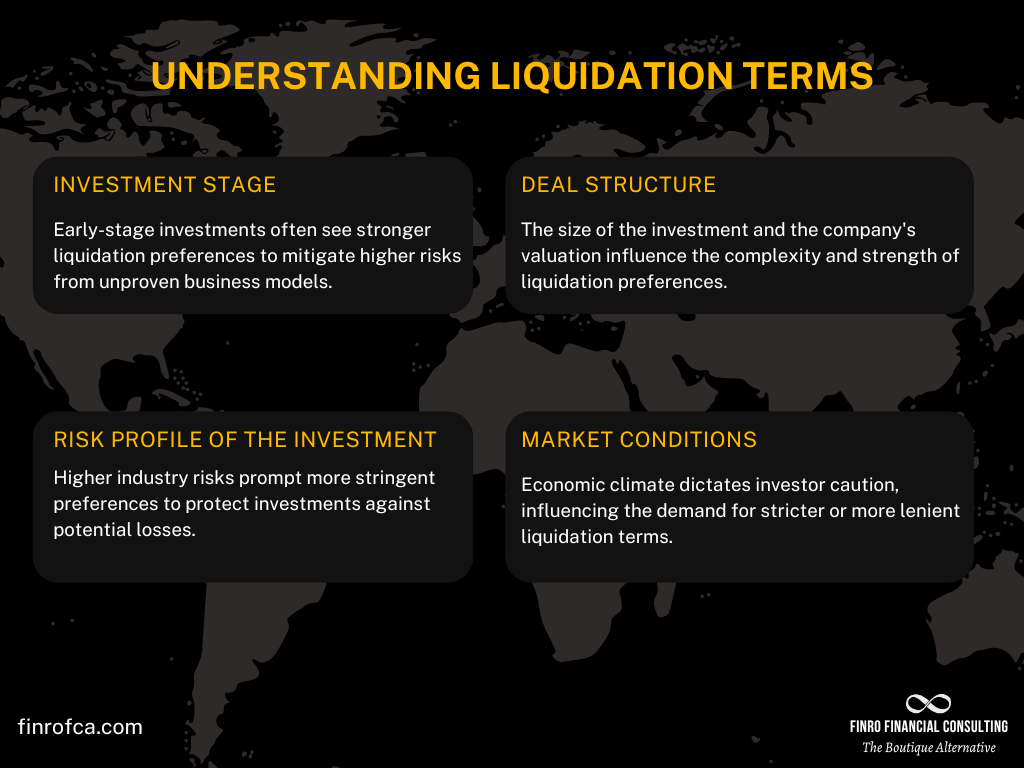
As you go through various rounds of fundraising, the liquidation preference clause can evolve. During early rounds, investors may negotiate for more favorable terms, while later-stage investors may accept less aggressive preferences. Here are some tips for founders navigating liquidation preferences during fundraising:
- Keep Terms Simple in Early Rounds: As you grow, investors might push for more complicated preferences. In the early rounds, try to keep the terms straightforward to avoid excessive dilution.
- Negotiate to Protect Your Equity: It’s essential to balance investors’ needs with your equity stake in the company. Too much liquidation preference can severely limit your returns.
- Use AI-Powered Tools for Investor Matching: By using AI-powered investor database for startups, you can find investors who align with your vision and are more likely to offer reasonable terms, including liquidation preferences that don’t harm your long-term goals.
Frequently Asked Questions About Liquidation Preference
What is the most common type of liquidation preference?
The most common type is the 1x non-participating liquidation preference, where investors get their original investment back, and the remaining funds are distributed to other stakeholders, including the founders.
Can liquidation preference be negotiated?
Yes, liquidation preference is a negotiable term during fundraising. It’s critical to understand the implications and negotiate terms that benefit both investors and the founders.
How do liquidation preferences affect a startup’s valuation?
Liquidation preferences can influence the valuation of your company because they affect the potential return for investors. If an investor has a high liquidation preference, it could devalue the founder’s equity stake in the company.
What’s the difference between participating and non-participating liquidation preferences?
In a non-participating liquidation preference, investors either get their original investment back or convert to equity, but not both. In a participating liquidation preference, investors get their investment back and then participate in the remaining proceeds, which can lead to more significant payouts.
Conclusion: Liquidation Preference Explained—What Founders Must Know
As a founder, understanding liquidation preference is essential for navigating startup fundraising and ensuring that you get the best possible deal for your company. Whether you’re raising your first round of funding or preparing for an exit, this term can significantly impact your financial outcome.
By staying informed about how liquidation preference works, negotiating favorable terms, and leveraging resources like AI-driven investor matching for venture capital, you can make smarter decisions that benefit both your investors and your company in the long run.
Remember, liquidation preference is just one aspect of a broader investment deal, so take the time to understand it thoroughly and seek the right investment partners who align with your growth goals.
